· 7 min read
In the early 2000s Myponga's dairy farms were disappearing - the district had gone from around forty farms to ten. Three families decided to stop selling milk for someone else's label. This is the story of the Fleurieu Milk Company, and of the valley it kept in business.
Forty farms, then ten
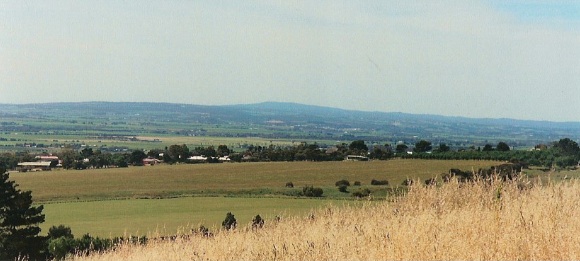
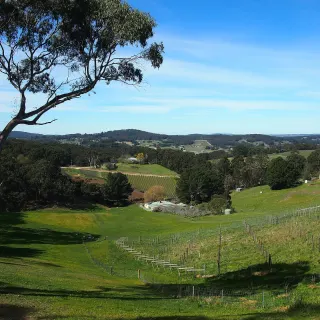
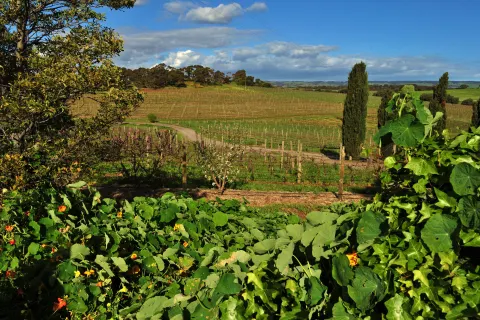
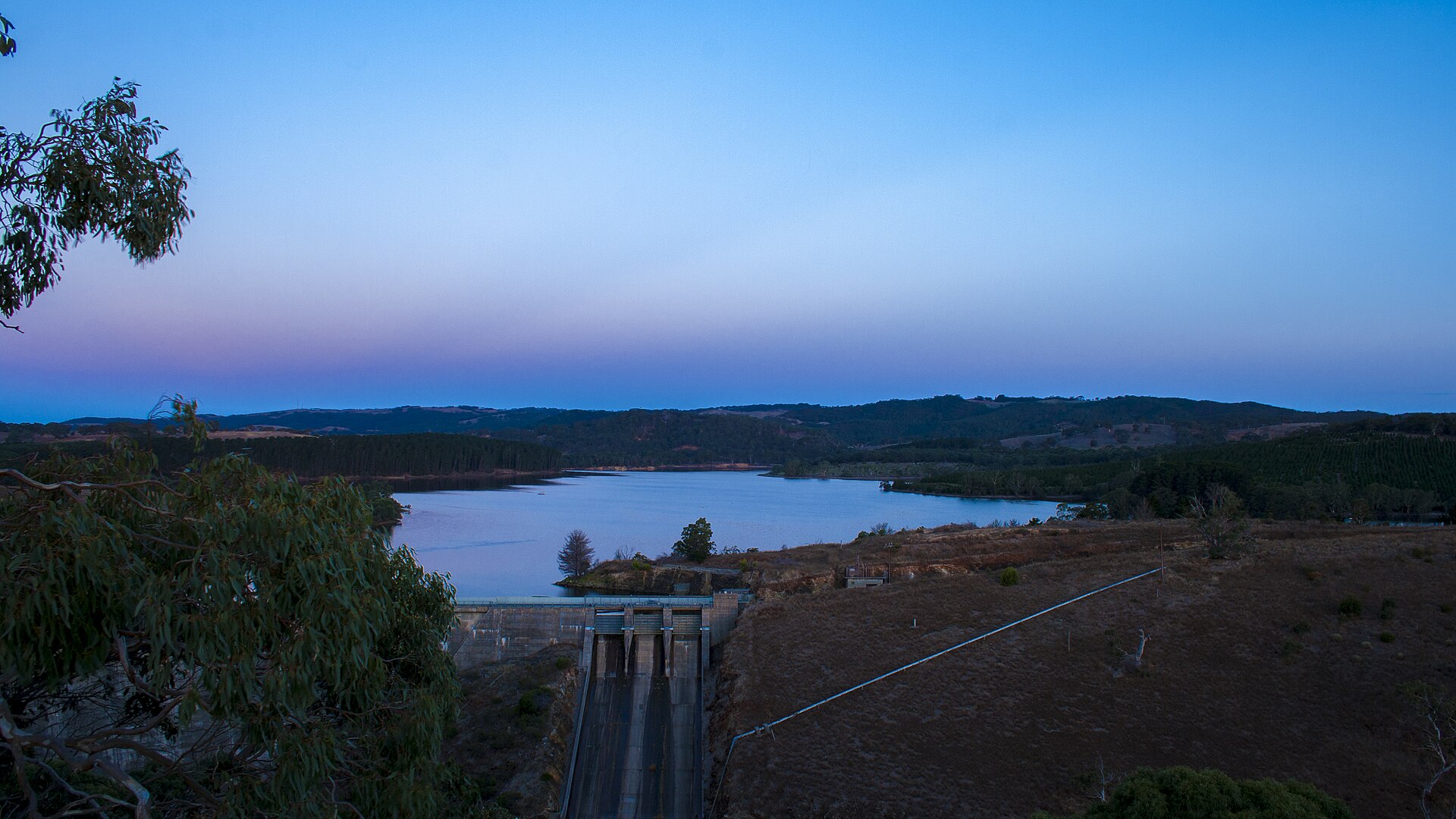
Myponga is dairy country and has been for more than a century - a deep green valley behind the coast hills, wetter and cooler than the wine country to its north, with a reservoir at one end and a beach at the other. But dairy nearly left it. Through the late 1990s and early 2000s, deregulation and falling farm-gate prices gutted small dairying across Australia, and the Myponga district felt it as hard as anywhere: from around forty dairy farms, the valley fell to roughly ten.
The arithmetic facing the survivors was brutal - feed costs rising, the price paid for raw milk falling, and the value of their work disappearing into other people's brands. In 2004, three local farming families - the Hutchinsons, the Clarkes and the Royans - decided to stop accepting it. If the milk was leaving the valley too cheaply, the answer was to bottle it in the valley and put the valley's name on the label. The Fleurieu Milk Company sold its first bottles in 2006.
Why it worked
Twenty years on, the bet looks obvious; at the time it was anything but. What the families understood early was that their unfashionable, small-scale model - single-origin milk from local herds, processed metres from the paddock - was precisely what shoppers were starting to want. Fleurieu Milk became one of South Australia's best-loved independent brands, the white bottles with the blue caps turning up in cafes from Adelaide to the outback. The company stayed in Myponga, stayed farmer-owned, and proved that a small district could keep its industry by keeping its name on it.
The dairy itself is a working site rather than a visitor attraction, but the full range - milks, yoghurts, custards - is never far away: the Myponga Market stocks it, and you will find the brand in fridges from Willunga to Victor Harbor.
A dairy crawl, in practice
Myponga rewards a slow lap. Smiling Samoyed Brewery pours its beers with a view over the valley - the rare brewery where the surrounding paddocks supplied the cheese board's ingredients. And the Myponga Reservoir Reserve, opened to the public for walking and kayaking, gives you the best view of the dairy country itself: from the lookout above the dam wall, the whole green bowl of the valley is laid out, dotted with the herds that started all this.
The dairy story continues over the hills. At Mount Jagged, on the Victor Harbor road, the Alexandrina Cheese Company makes farmhouse cheeses and creams from its own milk - the natural second stop for anyone chasing the peninsula's dairy produce to its sources. And on Saturday mornings the Willunga Farmers Market gathers much of it in one square: Fleurieu milk in the coffees, Fleurieu cheese on the stalls.
The bigger picture
The Fleurieu sells itself on wine, and fair enough. But the milk story is arguably the more local one - an industry that was nearly lost, saved not by tourism but by stubbornness and a good label, in a valley most wine tourists drive past. For the full tasting route, cheese rooms included, follow our Fleurieu cheese trail guide - and buy the blue-cap bottle when you see it. You are drinking the reason Myponga still milks.